
Technologies Fuel Detergents
Fuel Detergents to Optimize Engine Performance
Nelson Brothers, designs, develops, and manufactures custom products for our customers at our facility located in Parrish, Alabama. This facility has dedicated on-site technical and engineering teams and fully equipped laboratories which are used for both R&D and Quality Control. In addition to the laboratory scale reactors we also have a dedicated pilot plant with a finished goods capacity of approximately one ton. This onsite pilot plant is used for multiple purposes, including R&D , manufacturing scale up, raw material qualification, finished product qualification and can also be used to manufacture small batches of product for customer evaluation trials.

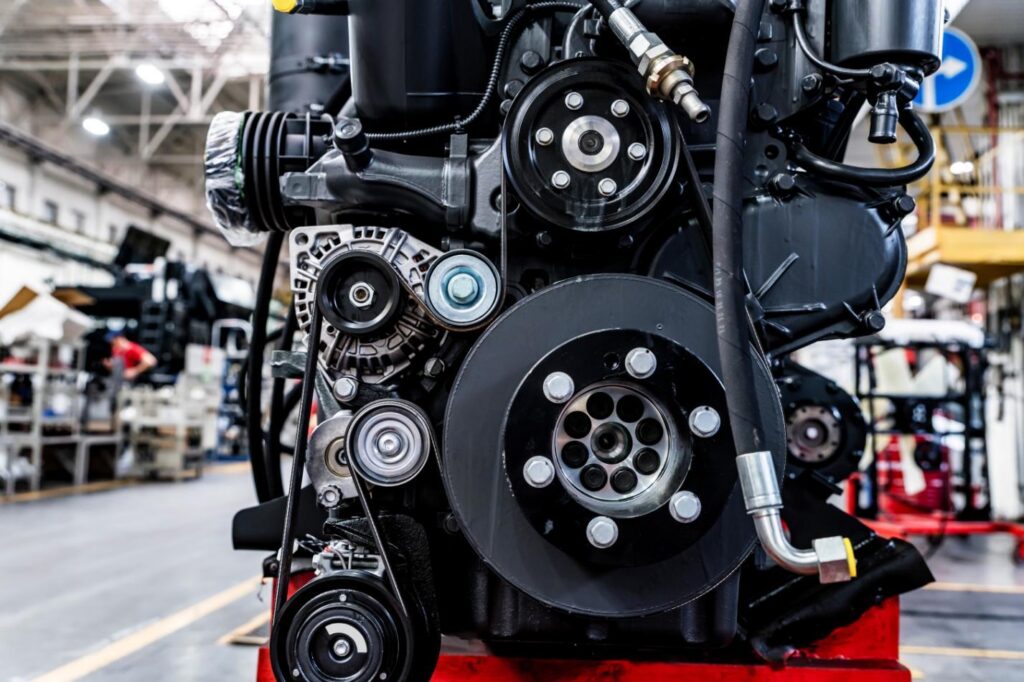
What Are Fuel Additive Detergents?
Fuel additive detergents function as cleaning agents inside fuel systems, and they hold an important place within gasoline fuel additives. These detergents break down and disperse deposits that form on injectors, valves, and other surfaces. As deposits clear, engines recover strong spray patterns, consistent combustion, and smooth idle behavior. By using these additives, operators keep equipment running in a clean state that supports performance, reduces emissions, and extends engine life.
Benefits of Using Fuel Detergents
Fuel detergents help engines maintain strong power output by keeping injectors and valves free of buildup. Clean systems also deliver more consistent fuel economy, which helps operators control operating costs over long service intervals. These detergents promote steady combustion, reduce smoke, and help equipment perform reliably under load. Engines that stay clean require fewer interventions, which keeps machinery productive and reduces downtime.
Industrial Applications of Fuel Detergents
Many industries depend on fuel additive detergents to maintain equipment reliability across long run cycles. Transportation fleets rely on these additives to protect engines that face frequent starts, idling, and varied loads. Agricultural machines benefit from strong combustion and clean injectors that keep equipment productive throughout the season. Logistics operations use detergents to lower maintenance demands and keep engines stable during heavy daily use.
How To Select the Right Fuel Additive Detergent
Selecting a detergent begins with engine type, fuel quality, and the performance goals of your equipment. Look for a formulation that supports injector cleanliness, valve cleanliness, and strong combustion characteristics. Industrial operators should choose detergents that match their run cycles and deliver measurable reductions in maintenance frequency. With the right choice, you keep fuel systems clean and maintain consistent engine behavior across your fleet.
Why Nelson Brothers Specialty Chemicals for Fuel Additive Detergents?
We develop fuel additive detergents that help operators maintain steady engine performance, manage deposits, and reduce unplanned downtime. Our chemistries support engines across transportation, agriculture, and industrial markets, giving customers dependable cleaning strength throughout their engines’ service life. We work directly with customers to match detergents to system needs and provide solutions that keep operations productive.

Frequently Asked Questions
Do fuel additive detergents work differently in older engines compared to newer engines?
How often should operators use fuel additive detergents in industrial fleets?
Usage depends on run time, fuel quality, and engine design. Many fleets build detergents into their regular fueling practice to keep systems clean and avoid performance swings.
Do fuel detergents influence cold-start behavior?
Clean injectors and valves help engines start more smoothly in low temperatures. With the right detergent, operators see more stable combustion during warm-up and fewer issues during seasonal transitions.